

2027: Hamzat Pledges Integrated Transport System To Tackle Lagos Traffic

…Promises more BRT buses, Blue Line extension to Okokomaiko
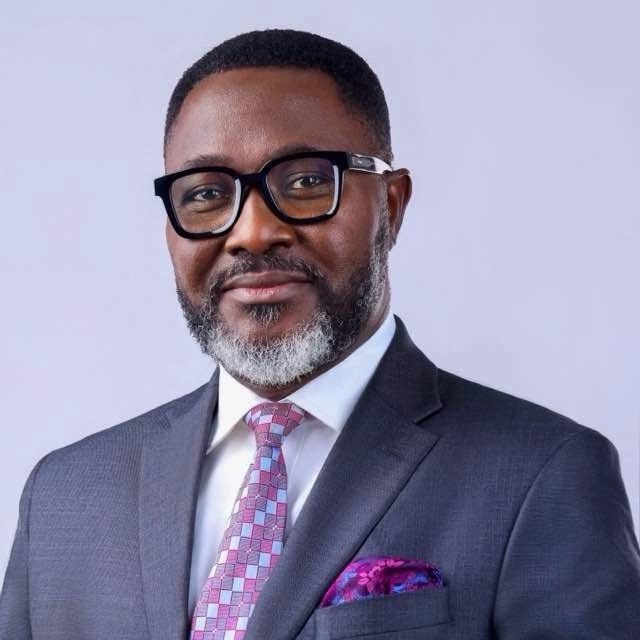
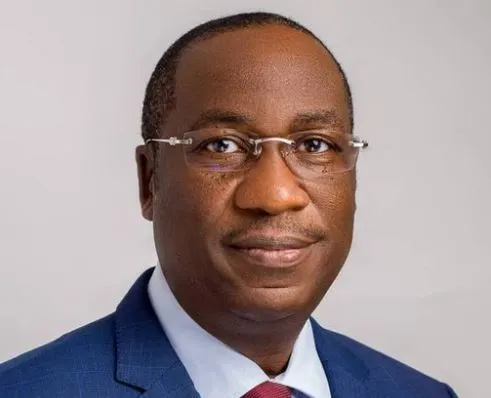
Lagos State Deputy Governor and All Progressives Congress (APC) governorship candidate, Dr Kadri Obafemi Hamzat, has pledged to integrate road, rail and water transportation to tackle traffic congestion and reduce commuting time if elected governor in 2027.
Hamzat also promised to expand the Bus Rapid Transit (BRT) fleet, improve traffic management and complete the extension of the Lagos Blue Line rail project to Okokomaiko as part of efforts to provide residents with more efficient transportation options.
He made the pledge on Tuesday during separate interviews with Lagos Television, Eko FM and Lagos Traffic Radio at Agidingbi, Lagos, where he outlined his transportation priorities ahead of the 2027 governorship election.
The APC candidate said an integrated transport network would ease pressure on the state’s roads while improving access to employment, education, housing and business opportunities.
According to him, transportation remains central to the performance of other sectors and the overall productivity of Lagos, making improved mobility a priority for his proposed administration.
“Our transportation system is what I prescribed to link all resources in Lagos. For us, moving our people easily without traffic is important and essential because this is the bedrock of everything,” he said.
Hamzat added that his administration would provide more BRT buses, decongest bus stops and improve emergency responses to road accidents to prevent avoidable traffic build-ups.
He argued that addressing congestion required more than constructing roads, insisting that commuters must have reliable alternatives through coordinated road, rail and water transport services.
On rail transportation, the deputy governor pledged to complete the Blue Line extension to Okokomaiko and connect it with the Red Line at the National Theatre, Iganmu.
He said the proposed expansion would improve connectivity across the state, making journeys to Marina more convenient for commuters from areas such as Yaba and Agege.
Residents along the Okokomaiko corridor, including students of Lagos State University (LASU), are also expected to benefit from improved access to rail transportation.
On waterways, Hamzat identified the Omi-Eko project as another component of the proposed integrated network, disclosing that seven electric ferries were planned for the initiative, with five already delivered.
“Lagos is a water state, and as such, we must utilise the lagoon as a network of water routes so that at least we can move a lot of our people on water as we are moving on roads, and of course now on rail,” he said.
The proposed transport expansion comes as Lagos continues to grapple with heavy traffic, which affects commuting time, business operations and the movement of people and goods across the state’s densely populated urban centres.
Hamzat also addressed the proposed Fourth Mainland Bridge, expressing confidence that the project could be delivered through partnerships with private-sector investors rather than relying exclusively on government borrowing.
“We must build it through partnerships, and we also need to be careful as a state in terms of borrowing,” he said.
He explained that private-sector participation had featured in the bridge’s design and costing, adding that discussions had been held with prospective concessionaires.
However, he noted that the success of such arrangements would depend on clearly defined responsibilities between the government and investors, including tolling arrangements to enable private-sector participants to recover their investments.
On traffic management, Hamzat stressed the need for faster responses by security agencies and other relevant authorities to accidents and road repairs, noting that delays in clearing incidents often worsen congestion.
He attributed the pressure on Lagos roads partly to the state’s high volume of vehicles, calling for improved planning, organisation and coordination among traffic management agencies.
The deputy governor said the proposed approach would focus on connecting existing and planned transport infrastructure, expanding commuter options and reducing delays to support economic growth.
His remarks form part of his emerging policy agenda ahead of the 2027 governorship election, with transportation remaining one of the major challenges confronting residents and businesses in Lagos.