


…Says every product has int’l price, queries why Nigerians are not paid international wages
…Accuses APC government of deception over economy,
…Dismisses Ebola concerns as a reason to halt campaigns
…Insists insecurity, poverty and economic hardship require urgent leadership intervention
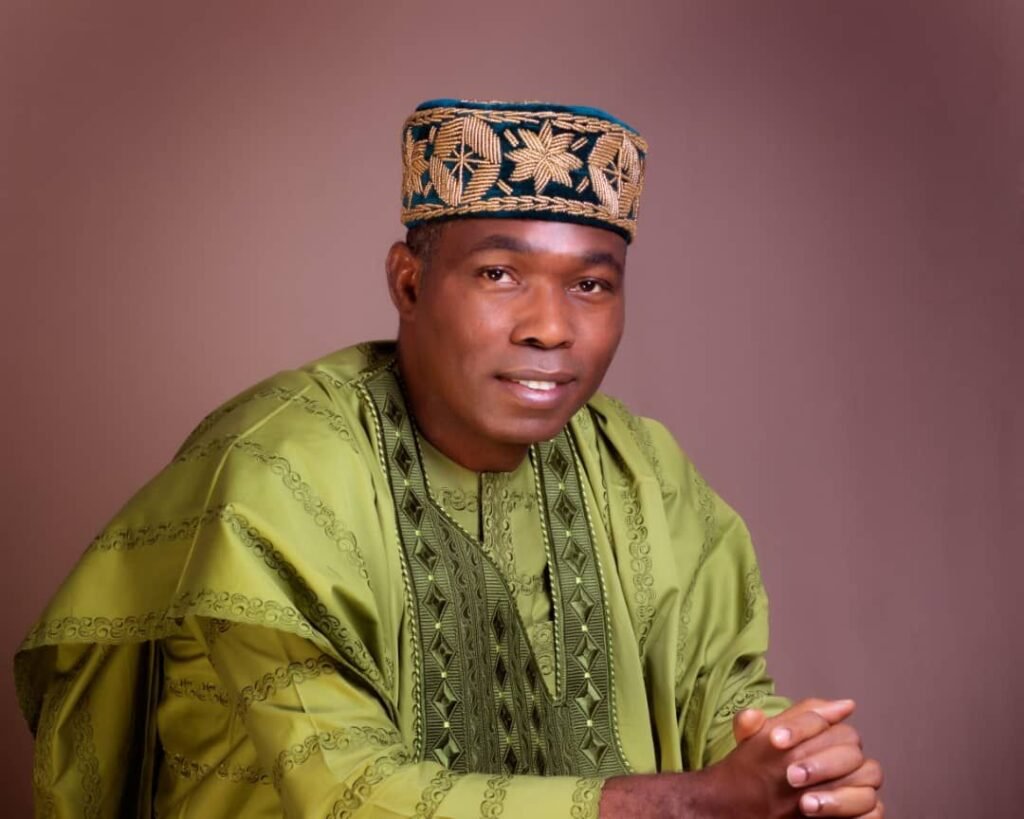
The presidential candidate of the Social Democratic Party (SDP), Prince Adewole Adebayo, has described the argument that petroleum products must be sold at international market prices in Nigeria as a ruse by the All Progressives Congress (APC) government to justify its economic policies.
Adebayo, who spoke on Sunday night in Abuja, argued that if Nigerians were expected to pay international prices for petroleum products, they should equally earn international wages.
He maintained that the disparity between the earnings of Nigerian workers and the prices they pay for essential commodities made the policy unjustifiable, particularly at a time when millions of citizens were struggling with rising living costs.
According to him, the existence of international prices for commodities such as rice, water and petroleum does not mean that governments must automatically impose those prices on their citizens without considering local economic conditions.
He said: “Any government that says to you, buy the stock in Nigeria at international market, that president, that government is a liar, wicked and evil.”
The SDP candidate questioned why Nigerians should be expected to pay international prices for petroleum products when workers, professionals and other categories of labour were paid substantially lower wages than their counterparts in developed economies.
“There is an international price for lecturers, if they are professors. There is an international price for nurses, for drivers. Do you pay international price for labour in Nigeria?” he asked.
Adebayo argued that the policy failed to take into account the purchasing power of ordinary Nigerians, adding that the government should prioritise the welfare of citizens in managing the country’s natural resources.
He also criticised President Bola Tinubu’s administration over what he described as the disconnect between the living conditions of ordinary Nigerians and the privileges enjoyed by political leaders.
According to him, the president and other senior public officials enjoy access to official accommodation, medical care, transportation and other state-funded facilities, while ordinary citizens bear the brunt of rising prices and economic hardship.
Adebayo further faulted the government’s approach to energy security, arguing that Nigeria’s crude oil resources should be managed in a way that supports domestic refining, industrial development and affordable petroleum products.
He explained that crude oil intended for export could be sold at international market prices, while crude allocated for domestic refining should be handled under an arrangement that reflects Nigeria’s economic realities.
The SDP candidate said the country had invested in refineries in Warri and Kaduna, among other locations, because of the need to develop domestic capacity and guarantee energy security.
He argued that domestic refining should deliver wider economic benefits, including employment, industrial growth and improved access to essential products.
Adebayo also questioned claims that domestic refining arrangements necessarily resulted in losses, arguing that the economic benefits of processing crude oil locally should be assessed alongside the value of the different products derived from it.
He said a properly designed energy policy should support local industries, reduce the cost of transportation and improve the welfare of Nigerians.
On the reported Ebola concerns and calls for possible suspension of political campaigns, Adebayo dismissed the suggestion that a single case was sufficient to declare an epidemic or justify a halt to political activities.
He accused the APC government of exploiting public concerns for political purposes, arguing that the country had previously managed an Ebola outbreak through public health interventions.
“Ebola is not a bigger public health crisis in Nigeria,” he said, adding that a single instance of the disease was not enough to establish an epidemic.
The SDP presidential candidate maintained that political campaigns could continue while observing appropriate public health protocols.
He urged Nigerians to remain vigilant, observe recommended hygiene practices and seek appropriate medical attention when symptoms associated with infectious diseases appeared.
Adebayo also cautioned citizens against exposing themselves to unnecessary health risks, insisting that public health concerns should be addressed through responsible communication and appropriate preventive measures rather than political opportunism.
On insecurity, the SDP candidate identified security, protection and prosperity as central elements of his party’s vision for Nigeria.
He argued that the country needed responsible leadership capable of protecting citizens, restoring public confidence and creating the conditions for economic growth.
Adebayo also stressed the importance of presenting clear policy proposals to Nigerians, rather than relying exclusively on political rhetoric and campaign promises.
He said the SDP’s proposed rescue agenda was intended to provide Nigerians with an alternative political platform and invited citizens to scrutinise, criticise and contribute to the party’s policy direction.
The candidate maintained that the protection of lives and property must remain a fundamental responsibility of government, particularly amid the security challenges confronting different parts of the country.
He said the party’s approach would place the welfare and security of Nigerians at the centre of governance
On the state of the economy, Adebayo expressed concern over the hardship confronting Nigerians, linking the crisis to energy costs, poverty and what he described as the government’s failure to adopt policies that adequately reflect local economic conditions.
He argued that Nigeria’s natural resources should be deployed to improve the quality of life of citizens instead of being managed primarily according to international market considerations.
The SDP candidate also outlined a proposal for using funds generated through the management of petroleum resources to support public infrastructure, particularly mass transportation.
He said the party envisaged collaboration with international partners and Nigerian manufacturers, including Innoson, to expand the production of buses for public transportation.
According to him, such an arrangement could support the deployment of compressed natural gas-powered, solar-powered and electric buses across the country.
Adebayo said the proposed intervention would help reduce transportation costs for workers, students and other Nigerians, while encouraging domestic manufacturing and creating employment opportunities.
He further argued that improved public transportation would ease the financial pressure on households and help Nigerians cope with the effects of rising fuel prices.
The SDP candidate also called for greater transparency in the management of public resources, questioning whether the benefits derived from Nigeria’s crude oil wealth were adequately reaching ordinary citizens.
He maintained that Nigeria’s energy policy should be designed around the country’s domestic needs, economic development and the welfare of its people.
Adebayo urged Nigerians to support the SDP’s proposed rescue agenda, describing the party as a credible alternative to the existing political order.
He said the party remained committed to presenting policies on security, economic recovery and national development for public scrutiny and debate.
Source: Politics Archives – New Telegraph


